
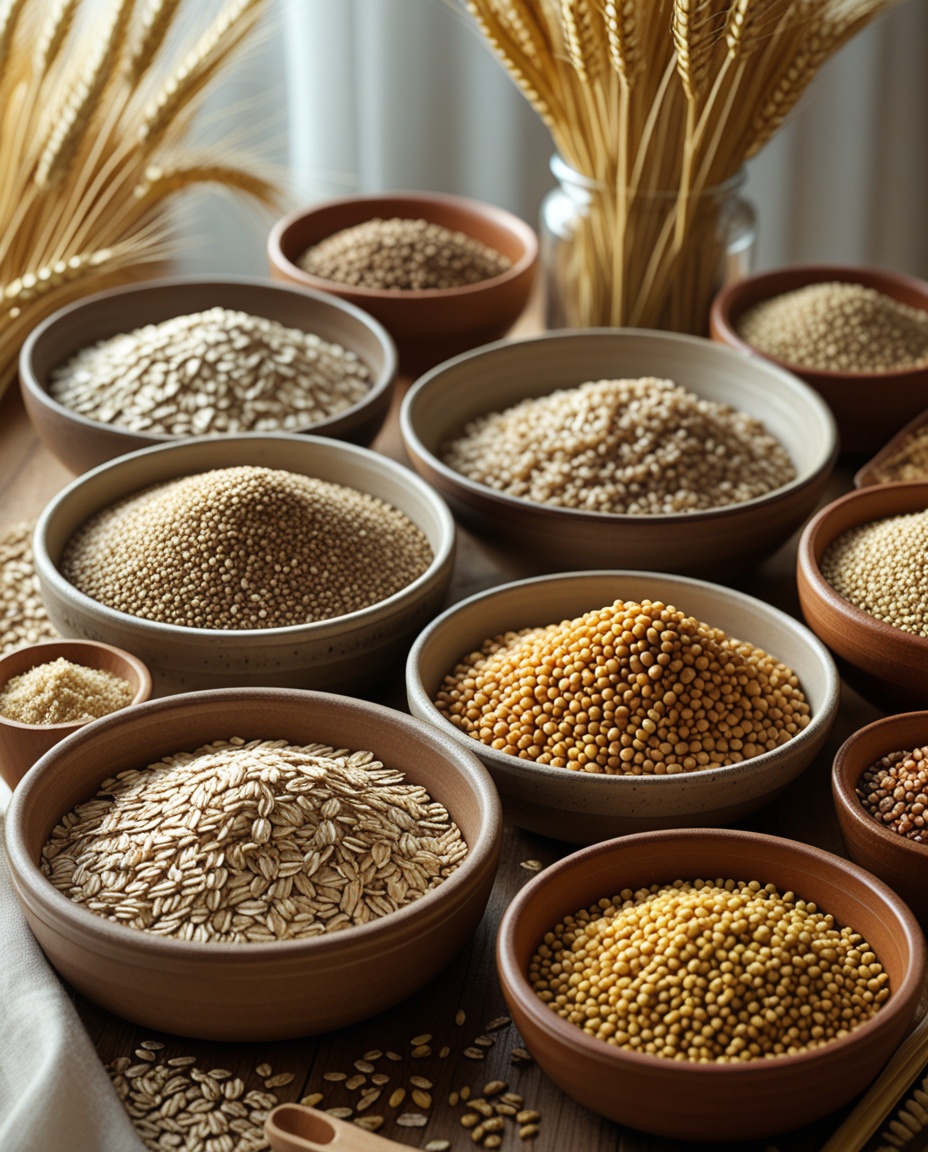
Discover the best grains for digestive health, including oats, quinoa, brown rice, barley, and more. Learn how fiber-rich whole grains support a healthy gut and improve digestion.
The Best Grains for Digestive Health
A healthy digestive system starts with the foods you eat, and whole grains are some of the best choices for supporting gut health.
Rich in fiber, vitamins, minerals, and beneficial plant compounds, whole grains help feed healthy gut bacteria, promote regular digestion, and keep you feeling full longer.
Whether you’re looking to improve digestion, support your microbiome, or simply eat healthier, these grains deserve a place in your daily meals.
1. Oats
Oats are one of the best grains for digestive health thanks to their high content of soluble fiber, especially beta-glucan.
This type of fiber helps soften stool, supports healthy gut bacteria, and may reduce cholesterol levels while promoting long-lasting fullness.
Best Ways to Enjoy:
- Oatmeal
- Overnight oats
- Smoothies
- Homemade granola
2. Quinoa
Quinoa is naturally gluten-free and packed with fiber, protein, and essential amino acids.
Its fiber supports regular bowel movements while its nutrient profile makes it one of the healthiest grain alternatives available.
Best Ways to Enjoy:
- Grain bowls
- Salads
- Side dishes
- Stuffed vegetables
3. Brown Rice
Unlike white rice, brown rice keeps its fiber-rich bran layer intact.
It promotes healthy digestion while providing magnesium, B vitamins, and antioxidants that support overall wellness.
Best Ways to Enjoy:
- Stir-fries
- Rice bowls
- Burrito bowls
- Meal prep lunches
4. Barley
Barley is one of the richest sources of soluble fiber among all grains.
Its beta-glucan fiber acts as a prebiotic, feeding beneficial gut bacteria and supporting a healthy digestive system.
Best Ways to Enjoy:
- Soups
- Stews
- Grain salads
- Pilafs
5. Farro
Farro is an ancient grain known for its nutty flavor and chewy texture.
It’s high in fiber, protein, iron, and magnesium, making it an excellent option for supporting digestion and maintaining stable energy levels.
Best Ways to Enjoy:
- Mediterranean salads
- Grain bowls
- Warm side dishes
- Vegetable skillets
6. Buckwheat
Despite its name, buckwheat is naturally gluten-free and isn’t related to wheat.
It provides fiber, antioxidants, and resistant starch, which can help nourish beneficial gut bacteria.
Best Ways to Enjoy:
- Buckwheat pancakes
- Porridge
- Grain bowls
- Noodle dishes
7. Bulgur
Bulgur is made from cracked whole wheat and is an excellent source of dietary fiber.
It cooks quickly and supports digestive health while adding a mild, nutty flavor to meals.
Best Ways to Enjoy:
- Tabbouleh
- Grain salads
- Stuffed peppers
- Side dishes
8. Millet
Millet is another naturally gluten-free grain that’s gentle on digestion.
It contains fiber, magnesium, and antioxidants that contribute to a healthy digestive system.
Best Ways to Enjoy:
- Breakfast porridge
- Grain bowls
- Pilafs
- Side dishes
Why Whole Grains Support Digestive Health
Whole grains contain both soluble and insoluble fiber.
Soluble fiber absorbs water, helping create softer stools while feeding beneficial gut bacteria.
Insoluble fiber adds bulk to stool and supports regular bowel movements.
Together, these fibers help maintain a balanced digestive system and support a healthy gut microbiome.
Tips for Adding More Whole Grains to Your Diet
- Replace white rice with brown rice or quinoa
- Start your day with oatmeal
- Choose whole-grain bread and pasta
- Add barley to soups and stews
- Mix several grains into grain bowls and salads
- Increase fiber gradually and drink plenty of water
Common Mistakes to Avoid
- Switching to a high-fiber diet too quickly
- Not drinking enough water
- Choosing refined grains instead of whole grains
- Assuming all “multigrain” products are whole grain
- Ignoring portion sizes
Frequently Asked Questions
Which grain is best for digestion?
Oats are often considered one of the best grains for digestive health because they’re rich in soluble fiber and beta-glucan.
Are whole grains better than refined grains?
Yes. Whole grains contain more fiber, vitamins, minerals, and antioxidants because they retain the bran and germ.
Can whole grains improve gut health?
Yes. The fiber in whole grains acts as a prebiotic, feeding beneficial bacteria that support a healthy gut microbiome.
Are gluten-free grains good for digestion?
Gluten-free grains like quinoa, millet, buckwheat, and brown rice can be excellent choices, especially for people with gluten intolerance or celiac disease.
Final Thoughts
Adding more whole grains to your meals is one of the easiest ways to support digestive health naturally. Fiber-rich options like oats, quinoa, barley, brown rice, and farro nourish your gut, promote regular digestion, and provide long-lasting energy.
By making whole grains a regular part of your diet, you’ll support not only your digestive system but your overall health and well-being.